
Sleep Apnea vs. Altitude: Why Centennial Residents Need More Than a CPAP
Sleep Apnea vs. Altitude: Why Centennial Residents Need More Than a CPAP
Living in Centennial, CO means enjoying mountain views, outdoor recreation, and higher elevation than many parts of the country. While altitude can affect breathing and oxygen levels, it is not the same as sleep apnea. For many residents, nighttime breathing problems may be blamed on elevation when the real issue is obstructive sleep apnea.
Understanding the difference between sleep apnea and altitude-related breathing changes can help you get the right care instead of relying on a CPAP alone or ignoring symptoms altogether.
How Altitude Can Affect Sleep
At higher elevations, the air contains less oxygen than at sea level. Some people notice lighter sleep, more waking during the night, or shortness of breath when spending time in mountain areas. For Centennial residents, altitude may make poor sleep feel more noticeable, especially if you already have an underlying breathing issue.
However, altitude does not cause obstructive sleep apnea by itself. Obstructive sleep apnea happens when the airway repeatedly becomes blocked or narrowed during sleep. This can lead to pauses in breathing, drops in oxygen, loud snoring, and frequent sleep disruption.
Why Sleep Apnea Is More Than Snoring
Many people think sleep apnea is just loud snoring, but it can affect energy, concentration, mood, and overall health. In Centennial, patients who wake up tired despite a full night of sleep may assume their body is simply adjusting to Colorado’s elevation. In reality, repeated airway blockage may be preventing deep, restorative rest.
Common signs of sleep apnea include:
- Loud or chronic snoring
- Waking up gasping or choking
- Morning headaches or dry mouth
- Daytime fatigue or brain fog
- Trouble staying asleep
- A partner noticing pauses in breathing
If these symptoms are happening regularly, it is important to seek a proper evaluation. A sleep study can help determine whether sleep apnea is present and what type of treatment may be appropriate.
Why CPAP Is Not The Only Option
CPAP therapy is a common treatment for sleep apnea, but not every patient tolerates it well. Some people find the mask uncomfortable, struggle with the noise or tubing, or have trouble using the machine consistently. For sleep apnea treatment to work, it needs to be something you can use every night.
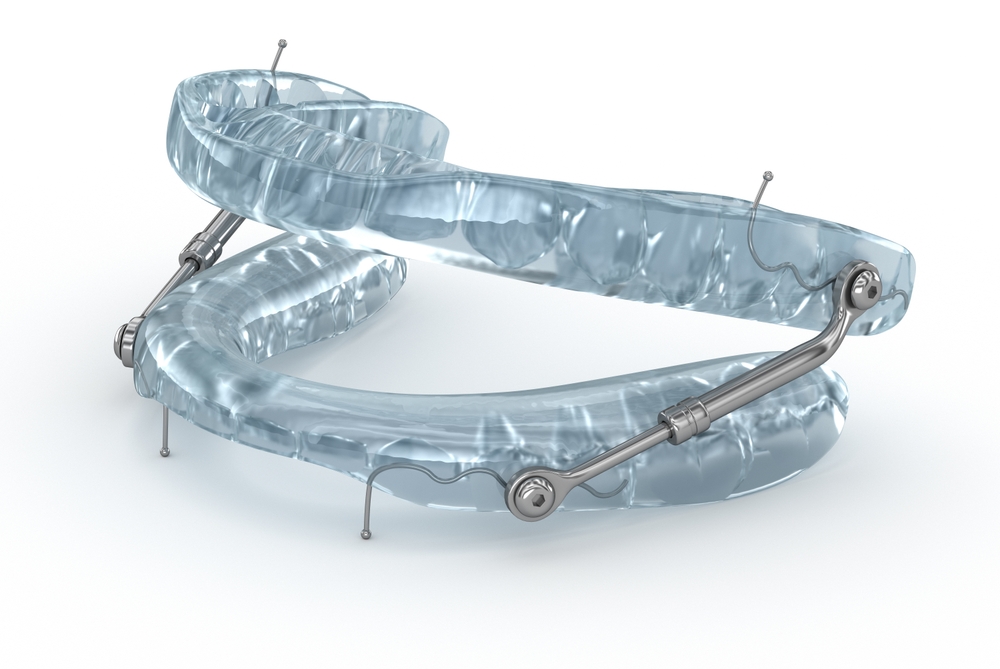
That is where custom oral appliance therapy may help. At Rippe Dental Associates in Centennial, oral appliances are designed to gently reposition the jaw during sleep, helping keep the airway open. These appliances are small, quiet, portable, and custom-fitted for comfort.
A More Personalized Approach For Centennial Patients
Sleep apnea and altitude can both affect how rested you feel, but they require different solutions. If you have been diagnosed with obstructive sleep apnea or have struggled with CPAP, a dental sleep apnea consultation can help you explore whether an oral appliance is a better fit for your lifestyle.
Custom oral appliance therapy may be especially helpful for patients with mild to moderate obstructive sleep apnea or those who cannot comfortably use CPAP. The goal is not just to improve breathing - it is to support better sleep, better energy, and more consistent treatment.
Take the first step toward better sleep and easier breathing and call Rippe Dental Associates in Centennial, CO at (303) 779-9876 to schedule your sleep apnea consultation today.
Quick Links
Helpful Articles
article_category: products
article_category: psychiatry
article_category: faqs
article_category: cats
article_category: general
article_category: services
article_category: technology
article_category: dogs
article_category: restorative
article_category: vision therapy
article_category: contact lenses
article_category: health
article_category: conditions
article_category: eye surgery co-management
article_category: exotic
article_category: cosmetic
article_category: surgical procedures
article_category: aesthetics
article_category: preventative
article_category: ocular disease management
article_category: eyeglasses
article_category: eye health
article_category: large animal
[]
article_category: psychiatry
article_category: faqs
article_category: cats
article_category: general
article_category: services
article_category: technology
article_category: dogs
article_category: restorative
article_category: vision therapy
article_category: contact lenses
article_category: health
article_category: conditions
article_category: eye surgery co-management
article_category: exotic
article_category: cosmetic
article_category: surgical procedures
article_category: aesthetics
article_category: preventative
article_category: ocular disease management
article_category: eyeglasses
article_category: eye health
article_category: large animal
[]
Flowbite is an open-source library of interactive components built on top of Tailwind CSS including buttons, dropdowns, modals, navbars, and more.
Check out this guide to learn how to get started and start developing websites even faster with components on top of Tailwind CSS.
All Dental Services
At Rippe Dental Associates, we believe every patient seeking affordable family and cosmetic dentistry deserves to feel good, look good, and enjoy a lasting, healthy smile.

Keep In Touch
For non-urgent questions or to learn more about our services, contact us today!
Quick Links
Our Services
Contact Info
- 11837 E Arapahoe Rd.
Centennial, CO 80112 - Phone: (303) 779-9876
- Fax: (303) 221-3635
Hours of Operation
- Monday 9:00am - 6:00pm
- Tuesday 8:00am - 6:00pm
- Wednesday 8:00am - 6:00pm
- Thursday 8:00am - 6:00pm
- Friday 7:00am - 4:00pm
- Saturday Closed
- Sunday Closed
- Monday
- Tuesday
- Wednesday
- Thursday
- Friday
- Saturday
- Sunday
- Monday
- Tuesday
- Wednesday
- Thursday
- Friday
- Saturday
- Sunday
© 2026 Rippe Dental Associates. All rights Reserved - Accessibility Statement - Privacy Policy - Sitemap
Managed and Designed by 