
Dental Implants vs. Bridges: Which Is Better for an Active Lifestyle in Centennial?
Dental Implants vs. Bridges: Which Is Better for an Active Lifestyle in Centennial?
Living an active lifestyle in Centennial means you need a smile that feels strong, comfortable, and dependable. Whether you enjoy hiking, biking, fitness classes, family outings, or busy workdays, missing teeth can affect how you eat, speak, and feel in everyday life. Two common tooth replacement options are dental implants and dental bridges, but the right choice depends on your oral health, goals, and lifestyle.
What Are Dental Implants?
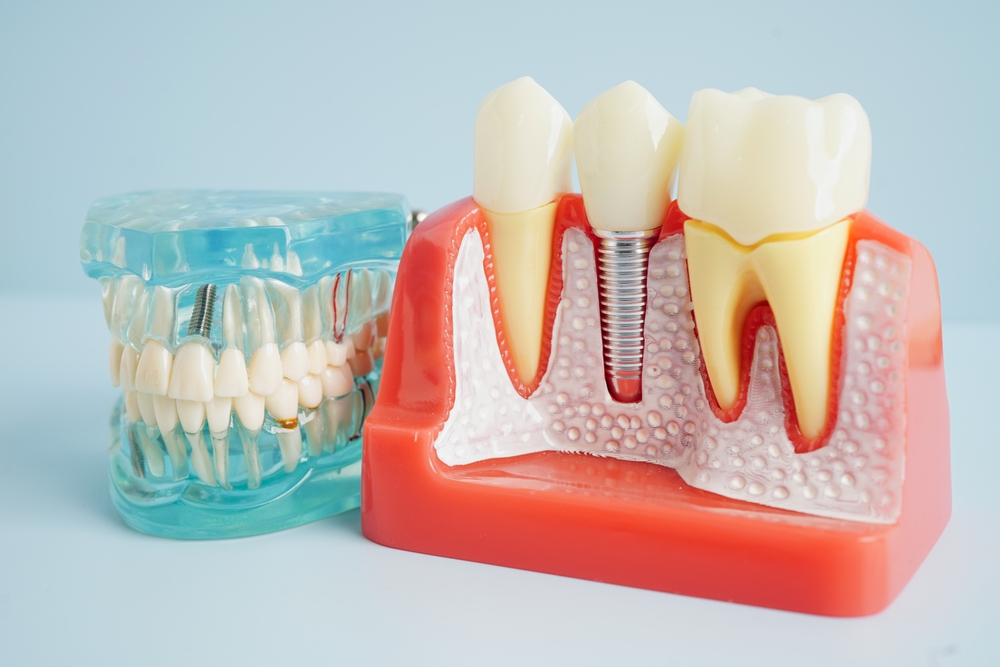
Dental implants are designed to replace missing tooth roots. A small titanium post is placed in the jawbone and restored with a crown, bridge, partial, or denture depending on how many teeth need to be replaced. Because implants are anchored in the jaw, they can provide strong support and a natural feel.
For active Centennial patients, dental implants are often appealing because they are stable and do not rely on neighboring teeth for support. They can also help preserve jawbone structure, which is important after tooth loss. With proper care, dental implants can be a long-lasting option for restoring chewing strength and confidence.
What Are Dental Bridges?
A dental bridge is a fixed restoration that replaces one or more missing teeth in the same area. A traditional bridge uses crowns on the nearby teeth to hold the replacement tooth in place. In some cases, implants may also be used to support a bridge.
Dental bridges can be a practical option for patients who want a fixed solution without undergoing implant surgery. They can restore the appearance of your smile, improve chewing ability, and help keep nearby teeth from shifting. For many Centennial patients, bridges offer a dependable way to replace missing teeth and get back to daily routines comfortably.
Comparing Dental Implants And Bridges For An Active Lifestyle
When deciding between dental implants and bridges, it helps to think about comfort, function, maintenance, and long-term oral health. Both options can be custom designed to look natural, but they work differently.
Dental implants may be a better fit if you want:
- A tooth replacement option that does not depend on nearby teeth
- Strong support for chewing a wide variety of foods
- Help maintaining jawbone health after tooth loss
- A long-term solution with proper home care and dental visits
- A restoration that feels secure during active daily routines
Dental bridges may be a good option if the surrounding teeth already need crowns or if you are not a candidate for dental implant treatment. They can also be completed without the same surgical process required for implants, which may make them more convenient for some patients.
Which Option Is Better?
There is no one-size-fits-all answer. Dental implants are often preferred for long-term stability and jawbone support, especially for patients who want a durable solution that supports an active lifestyle. However, dental bridges can still be an excellent choice when the teeth next to the gap are healthy enough to support the restoration or when implants are not the right fit.
At a consultation, your dentist can evaluate your bite, gums, jawbone, surrounding teeth, and overall oral health. This helps determine whether dental implants, a dental bridge, or an implant-supported bridge would provide the best result for your needs.
Choosing The Right Tooth Replacement In Centennial
If you are comparing dental implants vs. bridges in Centennial, the best place to start is with a personalized exam. Your lifestyle matters, but so does the condition of your teeth, gums, and bone support. A strong tooth replacement should restore function, protect your oral health, and help you feel confident when eating, speaking, and smiling.
To learn whether dental implants or bridges are right for your active lifestyle, schedule a consult at Rippe Dental Associates in Centennial, CO by calling (303) 779-9876.
Quick Links
Helpful Articles
article_category: products
article_category: psychiatry
article_category: faqs
article_category: cats
article_category: general
article_category: services
article_category: technology
article_category: dogs
article_category: restorative
article_category: vision therapy
article_category: contact lenses
article_category: health
article_category: conditions
article_category: eye surgery co-management
article_category: exotic
article_category: cosmetic
article_category: surgical procedures
article_category: aesthetics
article_category: preventative
article_category: ocular disease management
article_category: eyeglasses
article_category: eye health
article_category: large animal
[]
article_category: psychiatry
article_category: faqs
article_category: cats
article_category: general
article_category: services
article_category: technology
article_category: dogs
article_category: restorative
article_category: vision therapy
article_category: contact lenses
article_category: health
article_category: conditions
article_category: eye surgery co-management
article_category: exotic
article_category: cosmetic
article_category: surgical procedures
article_category: aesthetics
article_category: preventative
article_category: ocular disease management
article_category: eyeglasses
article_category: eye health
article_category: large animal
[]
Flowbite is an open-source library of interactive components built on top of Tailwind CSS including buttons, dropdowns, modals, navbars, and more.
Check out this guide to learn how to get started and start developing websites even faster with components on top of Tailwind CSS.
All Dental Services
At Rippe Dental Associates, we believe every patient seeking affordable family and cosmetic dentistry deserves to feel good, look good, and enjoy a lasting, healthy smile.

Keep In Touch
For non-urgent questions or to learn more about our services, contact us today!
Quick Links
Our Services
Contact Info
- 11837 E Arapahoe Rd.
Centennial, CO 80112 - Phone: (303) 779-9876
- Fax: (303) 221-3635
Hours of Operation
- Monday 9:00am - 6:00pm
- Tuesday 8:00am - 6:00pm
- Wednesday 8:00am - 6:00pm
- Thursday 8:00am - 6:00pm
- Friday 7:00am - 4:00pm
- Saturday Closed
- Sunday Closed
- Monday
- Tuesday
- Wednesday
- Thursday
- Friday
- Saturday
- Sunday
- Monday
- Tuesday
- Wednesday
- Thursday
- Friday
- Saturday
- Sunday
© 2026 Rippe Dental Associates. All rights Reserved - Accessibility Statement - Privacy Policy - Sitemap
Managed and Designed by 